
TLDR
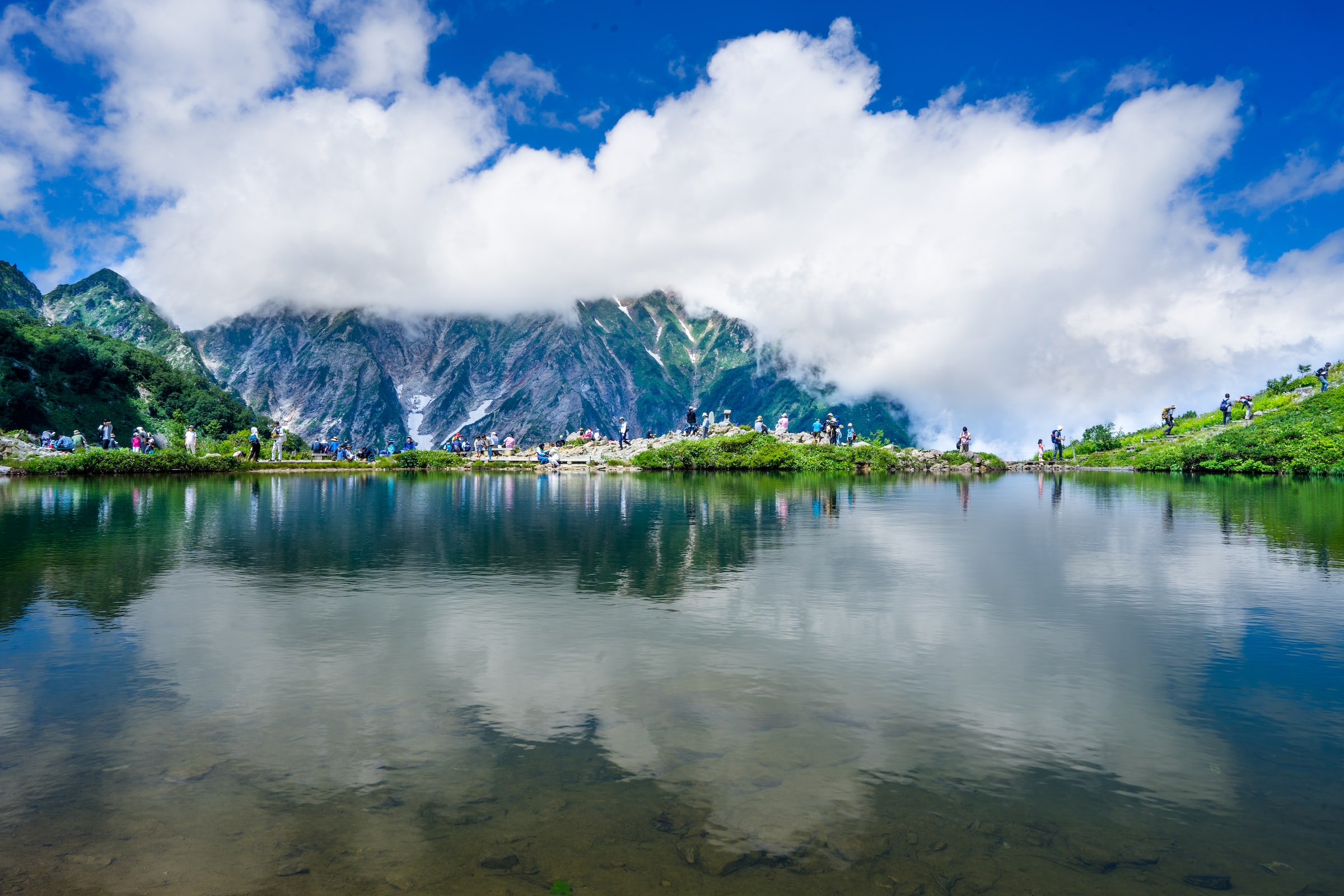
Tsugaike is the summer alpine park at the top of the Tsugaike ski area, open roughly mid-May through late October. A 5.5 kilometre boardwalk loop through high-altitude wetland meadows at 1,900 metres, famous for alpine wildflowers in July and autumn colour in October. Gondola and cable car access is 3,600 yen round trip. Allow 3 hours for the main loop at an easy pace. In winter it is one of the 10 Hakuba Valley ski resorts with an enormous beginner-friendly plateau.
Insider Tip
Visit in the third week of July for the alpine wildflower peak, or the second week of October for autumn colour. Both are genuinely spectacular and both are significantly quieter than the classic summer tourist window in early August. Weekdays are always quieter than weekends.
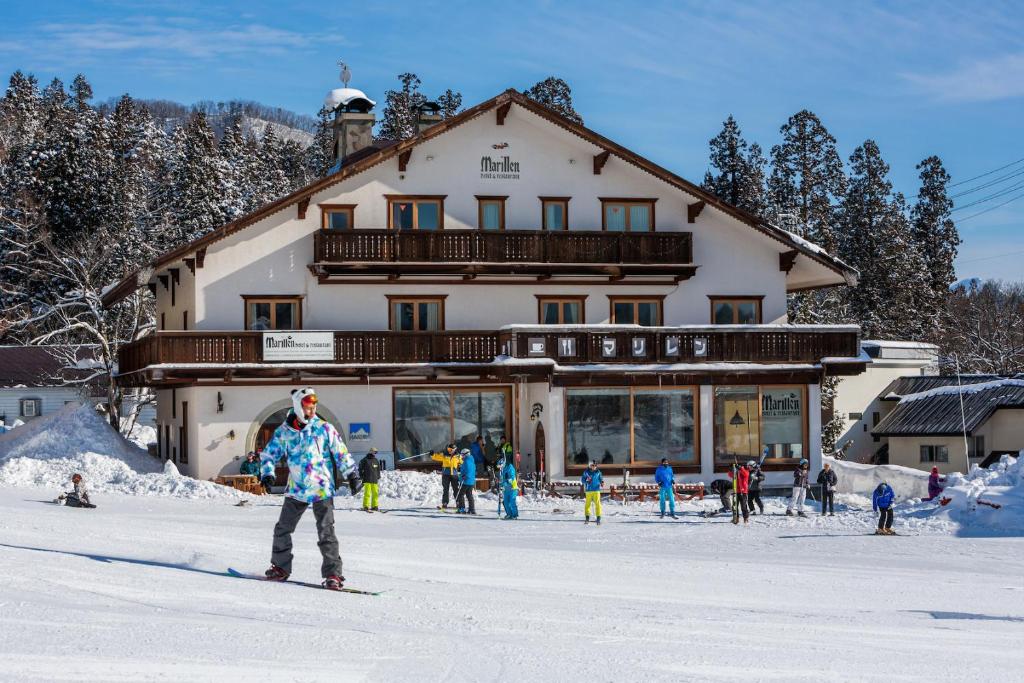
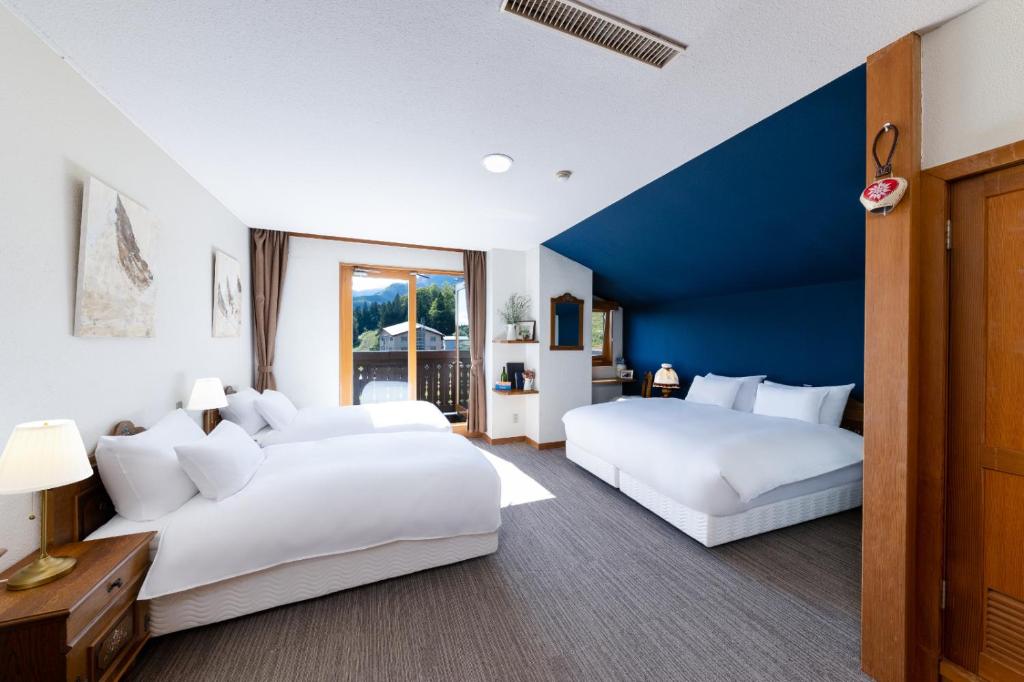
Planning your stay? Check current rates at Hotel Marillen. 25 minutes by car or shuttle to the Tsugaike gondola base.
The Park: What You Actually See
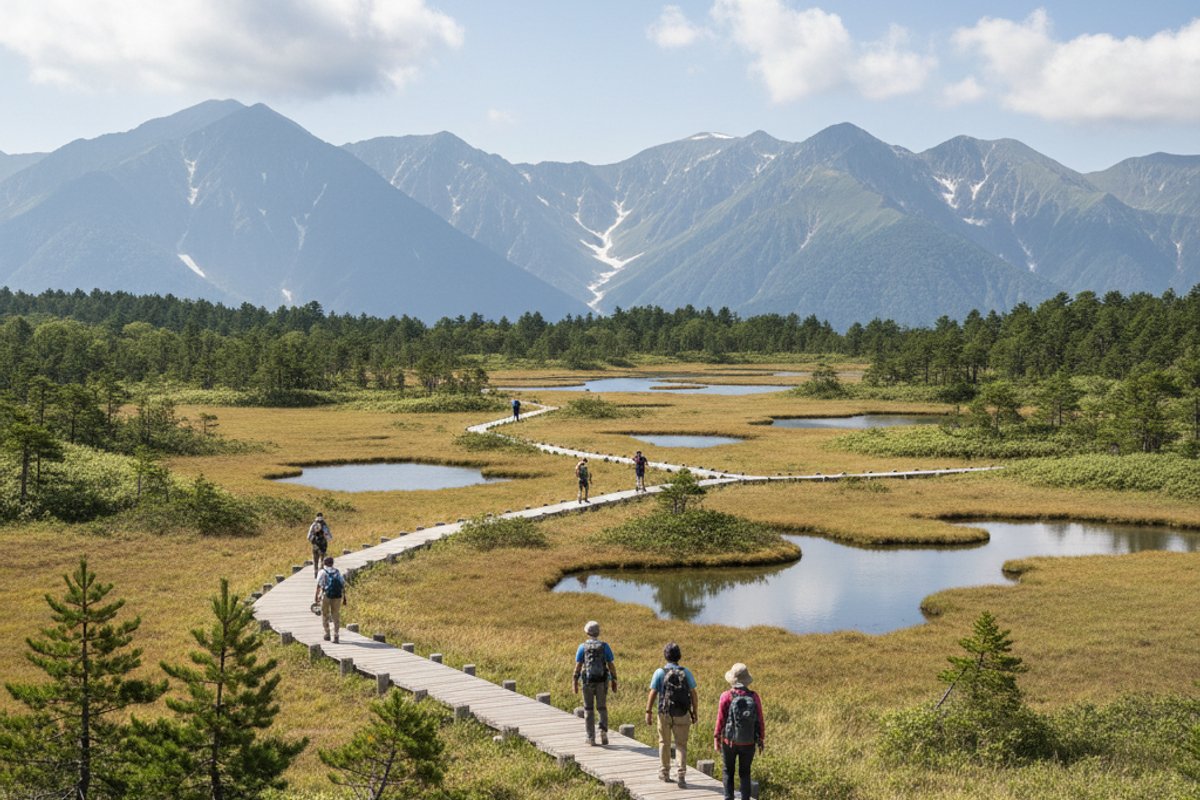
Tsugaike Nature Park (Tsugaike Shizen-en) is a protected alpine wetland at 1,900 metres, part of the Chubu Sangaku National Park. The main feature is a 5.5 kilometre boardwalk loop that takes you through high-altitude marshland with alpine flowers, snow-melt streams, scattered larch and beech, and viewpoints looking east to the Hakuba Sanzan (the three Hakuba mountains: Shiroumadake, Yarigatake and Korenge-dake) and west to the upper Azumino valley. The full loop takes 2.5 to 3 hours at an easy pace, with several rest huts along the way.
The park’s 300 or so recorded plant species include a genuinely impressive wildflower collection from June through August. July is peak, with nikko kisuge (yellow daylilies), wataga (cotton grass), and chinguruma all out together. Watch for Japanese rock ptarmigans, which breed on the higher slopes, and Japanese serows that occasionally wander down to the boardwalk edge. Entrance to the park itself is 320 yen on top of the gondola fare. Dogs are not permitted inside the protected area. For species lists, the Chubu Sangaku National Park page has scientific background.
Getting There: Gondola and Cable Car
Reaching Tsugaike Nature Park requires two stages of lift uphill. From the Tsugaike gondola base at Tsugaike Kogen (815 metres), take the Eve gondola to Tsugaike-Shizen-en base station at 1,560 metres (20 minutes). Transfer to the Tsugaike ropeway (cable car) for the final lift to 1,829 metres (5 minutes), which drops you at the park entrance. The round trip combined ticket is 3,600 yen adult, 1,800 yen child 6 to 12. This is the only practical access in summer since there is no road to the park itself.
Operating hours are 8:30am to 4:00pm May through October, with last lift up at 3:00pm. Last lift down is 4:30pm sharp and missing it means an hour of steep downhill walking or an expensive taxi if you can raise one. From Hakuba Station the drive is 25 minutes by car or rental, parking at the Tsugaike gondola base is 500 yen a day. From Happo area, the Hakuba Valley free shuttle runs every 45 minutes in summer from Happo Bus Terminal to Tsugaike Kogen, a 20 minute ride. The shuttle is free with a valley pass but also buyable as a 500 yen day ticket.
Tsugaike as a Ski Resort


In winter, Tsugaike is one of the 10 Hakuba Valley ski resorts and arguably the best for beginners in the entire valley. The top of the gondola opens onto an enormous gentle plateau, roughly 1 kilometre across, with a wide area dedicated to nursery and beginner progression. Complete first-time skiers can spend a full day up there making circular loops on the green terrain without ever needing a drag lift. The Heaven course is the signature long beginner run, 3.5 kilometres from the top of the gondola back to base at an average gradient of 8 percent.
Beyond the beginner plateau, Tsugaike has 15 runs and 9 lifts with a top elevation of 1,704 metres. Total vertical is 904 metres and combined trail length 20.3 kilometres. Experienced skiers will find the terrain limited compared to Happo-One (see the Happo-One guide) but the backcountry access off the top of the gondola is genuine, with hut-to-hut ski touring options run by Hakuba Alpine Guides at 130,000 yen for a week including lodging. Lift pass is 6,500 yen a day or included in the Hakuba Valley multi-pass.
When to Go and Practical Notes
The park opens roughly May 15 each year and closes roughly October 31, with exact dates depending on snow melt and early snowfall. Mid-May to early June the lower meadows are clearing of snow but the upper sections still have snow patches. Late June to early July brings first wildflowers but also rainy season conditions. Mid-July to mid-August is the wildflower peak. Late September through the second week of October is autumn colour, with larches turning gold and shrubs turning red.
Weather on the park is noticeably cooler than the valley, roughly 8 to 10 degrees colder and often windy. Bring a proper fleece and light rain shell even on warm days. Trail runners or light hiking boots work fine on the boardwalk. Proper hiking boots are only needed if you plan to continue past the main loop onto the more serious Shirouma-dake day hike trails, which start from the park’s north edge. Water and a packed lunch are advisable since the rest huts have limited vending machine food only. Complete safety guidance in the is Hakuba safe guide.
You might also find these useful: Walking Tours in Hakuba, Things to Do in Hakuba, Best Time to Visit Hakuba.
“Did the full Tsugaike loop in late July with wildflowers at full bloom. The boardwalk is solid, the Alps view from the eastern rest hut is unreal and the ropeway ride up was itself a highlight. Pack lunch, not much food at the top.”
“Good base for a mixed family ski trip. 10 minutes on foot to the Happo-One gondola, and a short shuttle to Goryu for the beginner slopes. Breakfast was solid.”
Check current prices at Hotel Marillen
Hotel Marillen in Happo, 25 minutes by shuttle to the Tsugaike gondola base.
Check Available RoomsWe may earn a small commission if you book through this link. It does not cost you anything extra.
See Hotel Marillen for Yourself
Browse All Photos on Booking.com →
This post contains affiliate links. We may earn a commission at no extra cost to you.
Frequently Asked Questions
See Hotel Marillen for Yourself

Browse All Photos on Booking.com →
This post contains affiliate links. We may earn a commission at no extra cost to you.
When is the best time to visit Tsugaike Nature Park?
Third week of July for alpine wildflowers at peak bloom, or the second week of October for autumn colour. The park is open roughly mid-May to late October depending on snow conditions.
How long is the Tsugaike loop?
5.5 kilometres around the main boardwalk loop at 1,900 metres, with several rest huts along the way. Allow 2.5 to 3 hours at an easy pace. Flat and suitable for most fitness levels.
How much is the gondola to Tsugaike?
The combined gondola plus ropeway round trip is 3,600 yen adult, 1,800 yen child 6 to 12. Entry to the park itself is an additional 320 yen at the gate. This is the only practical summer access.
Is Tsugaike a ski resort in winter?
Yes, one of the 10 Hakuba Valley resorts. Famous for the enormous beginner-friendly plateau at the top of the gondola, the best first-day ski terrain in the valley. 15 runs, 9 lifts, 904 metres vertical.
Are there bears at Tsugaike?
Bears are present across the Hakuba region but sightings on the Tsugaike boardwalk itself are very rare given the high visitor traffic. Still worth carrying a bell. Serows (mountain goat-like ungulates) are seen regularly near the boardwalk.
How do I get to Tsugaike from Happo?
The Hakuba Valley free shuttle bus runs every 45 minutes from Happo Bus Terminal to Tsugaike Kogen, about 20 minutes each way. By car it is 25 minutes. Parking at the gondola base is 500 yen a day.
What should I pack for Tsugaike?
Light fleece and a rain shell even on warm days, because the top is 8 to 10 degrees cooler than the valley and often windy. Trail runners or light hiking boots. Packed lunch and water, because the rest huts only have vending machines.
Can I hike past the Tsugaike loop?
Yes, the Shirouma-dake day hike trails start from the park’s north edge. These are serious alpine routes requiring proper hiking boots, navigation and a weather check. Turn back by early afternoon to catch the last ropeway down at 4:30pm.