
TLDR
Hakuba is one of the safest places you are likely to visit anywhere in the world. Japan has among the lowest violent crime rates globally, and Hakuba as a small rural ski town sits well below the national average even by Japanese standards. The real safety questions here are altitude, cold, avalanche in off-piste skiing, and bears in summer. This guide covers practical safety across winter and summer trips with specific numbers and what to actually worry about.
Insider Tip
The single most common thing to go wrong for visitors is cold-related. Day one skiers regularly underdress for the top of Happo-One, which runs minus 10 to minus 15 Celsius with wind chill. Layer properly, use proper gloves and face cover, and take breaks in the lodge every 90 minutes.
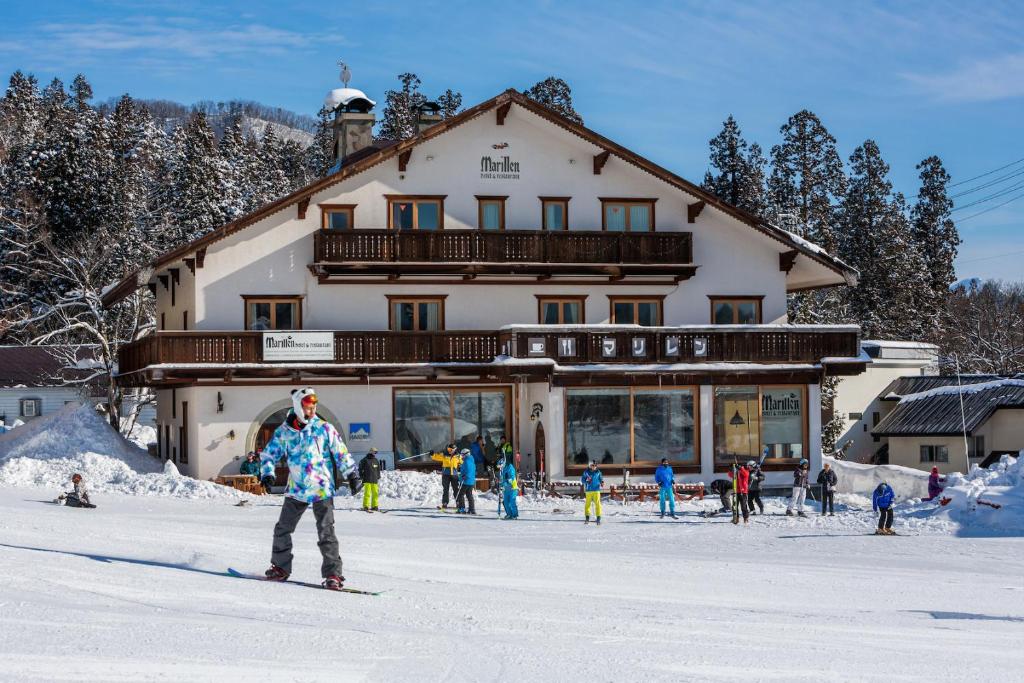
Planning your stay? Check current rates at Hotel Marillen. A safe Japanese hotel with clear winter information from a local team.
Crime and Personal Safety

Japan is routinely rated one of the safest countries in the world by every major index, and Hakuba specifically benefits from being a small rural community where everyone recognises everyone else. Violent crime against foreign visitors is essentially nonexistent. Theft is rare, and many Japanese visitors routinely leave ski gear unattended at lodge tables, wallets on lift chairs, and skis outside restaurants. That behaviour is so normalised that even international visitors usually adopt it within a day.
The common-sense caveats still apply. Lock your hotel room. Use the lock on lift equipment if you are leaving skis outside a restaurant, because the few reported thefts in Hakuba every winter almost always involve unsecured skis left for over an hour. Keep your passport, Japan Rail Pass and larger amounts of cash in the hotel safe. ATM machines at Japan Post and 7-Eleven accept foreign cards reliably, so there is no need to carry large cash sums. For current travel advisories the UK Foreign Office Japan guidance is the best summary.
Cold Weather and Altitude
The real danger in a Hakuba winter trip is cold-related. Top of Happo-One sits at 1,831 metres and in January and February runs daytime temperatures of minus 10 to minus 15 Celsius, with wind chill dropping the effective temperature to minus 20 or worse. Hypothermia and frostbite are genuine risks for underdressed skiers, most commonly reported for first-time Hakuba visitors coming from warm-weather countries and underestimating the conditions. Dress in three layers (base, mid, shell), use proper ski gloves (not fashion gloves), cover your face with a neck gaiter or balaclava, and do not stay on the upper mountain in blizzard conditions.
Altitude itself is mild in Hakuba. Top of Happo-One at 1,831 metres is well below altitude sickness threshold (usually 2,500 metres) for most people. Even the alpine hiking to Karamatsu-dake summit at 2,696 metres is low enough that altitude sickness is rare in healthy adults. Pregnancy, heart conditions and existing respiratory issues are the exceptions and should be discussed with a doctor. Dehydration at altitude is more common than recognised and contributes to many winter headaches.
Skiing Safety and Avalanches

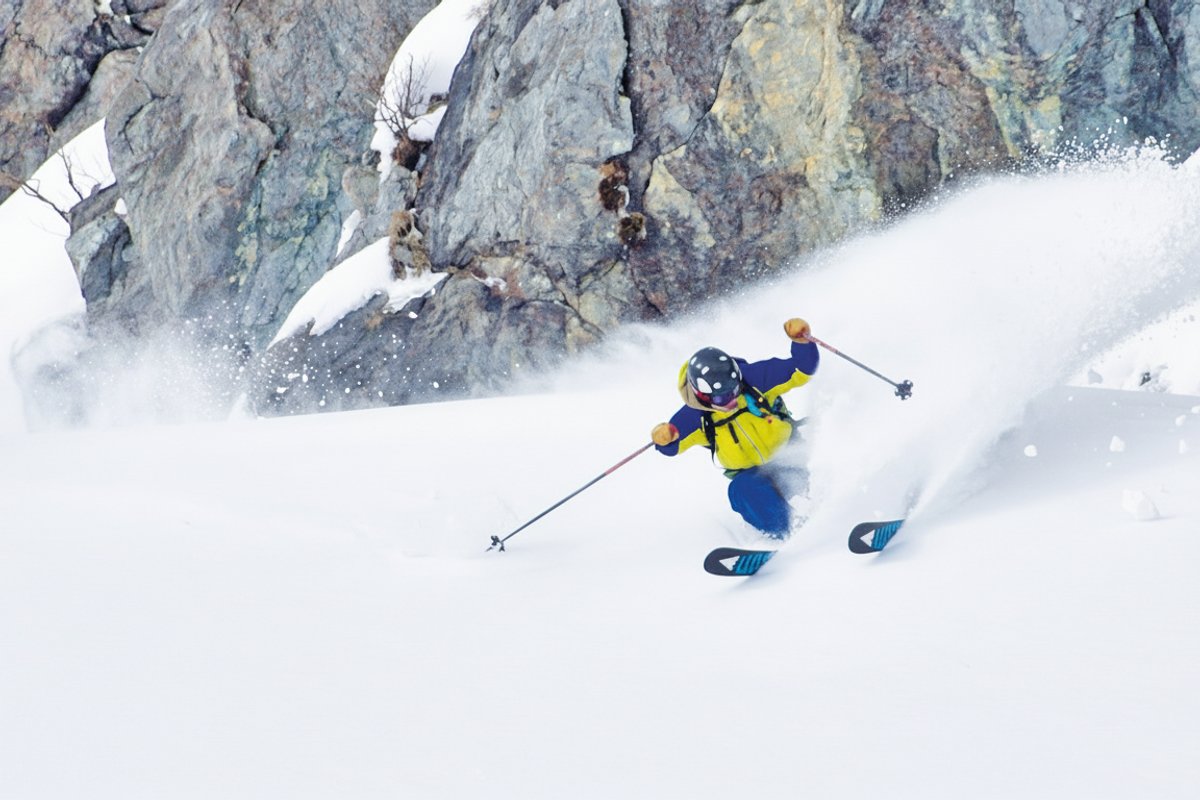
On-piste skiing in Hakuba Valley is well managed. All 10 resorts have professional ski patrol, marked run boundaries and clear difficulty grading (green, red, black in the European system though the Japanese colour codes are slightly different). Injuries on piste are almost always skier-to-skier collisions or overconfidence on a black run. Hire a lesson on day one if you are new, and do not ski the Kamoshika Advanced on Happo-One unless you are genuinely confident.
Off-piste is a different matter. The Hakuba basin has real avalanche terrain and several fatalities occur each winter in the backcountry, most involving international skiers who cross resort boundaries without training or equipment. Do not ski off-piste without a certified guide, proper avalanche safety gear (transceiver, shovel, probe) and current training. Hakuba Evergreen and Hakuba Alpine Guides run guided backcountry days from 25,000 yen including all safety kit. The snow forecast data is a useful daily reference for conditions.
Summer Safety: Bears and Trail Conditions
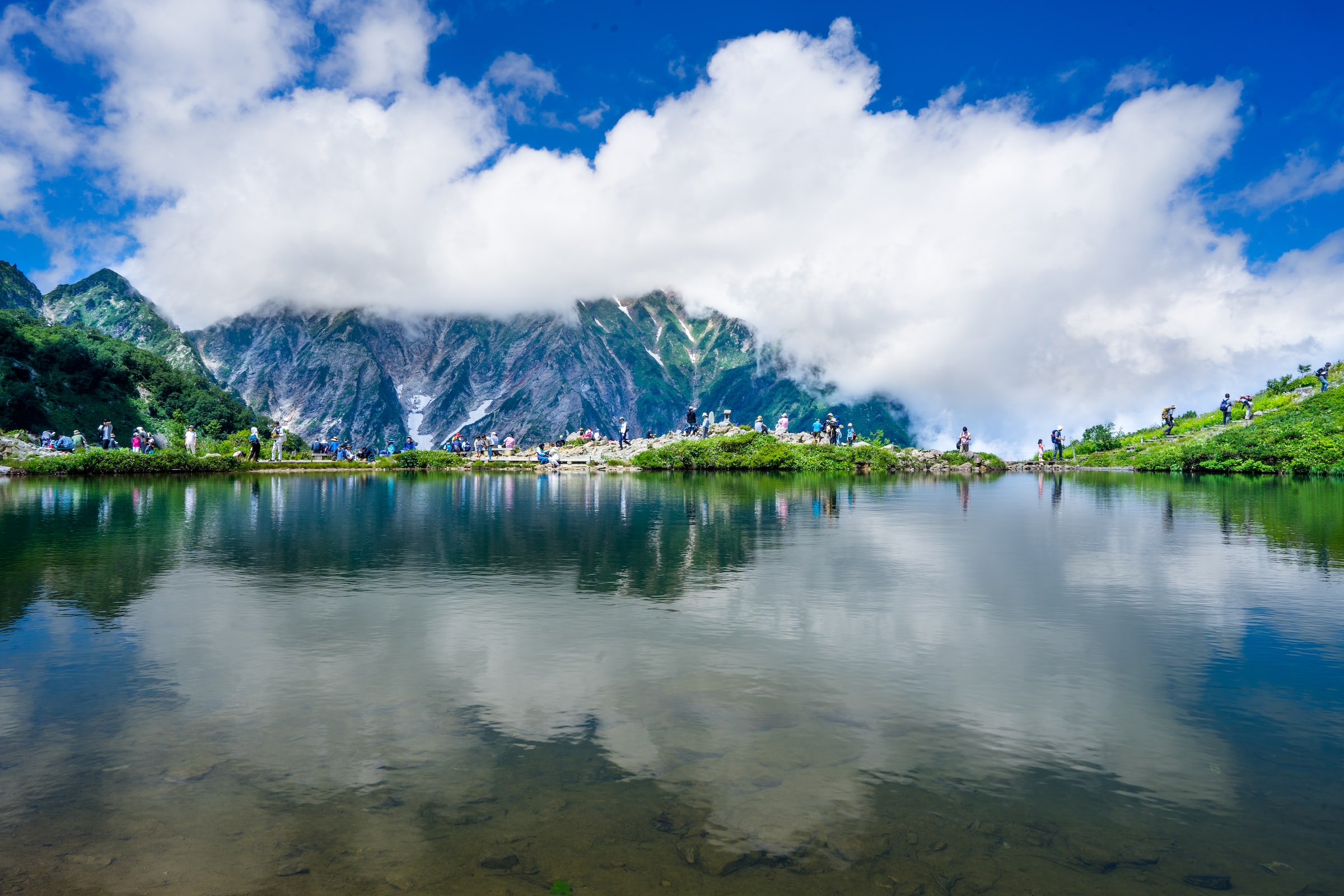
Summer brings different risks. Japan has Asian black bears and they live in the Nagano mountains around Hakuba. Encounters on established trails are rare but real, with roughly one sighting report per summer around the main Happo Pond area. Every local hiker carries a bear bell (500 to 1,000 yen at Ace Hardware or free to borrow from Hotel Marillen front desk). Make noise on wooded trail sections, especially at dawn and dusk, and especially in autumn when bears feed intensively before hibernation. Do not leave food in an open pack.
Trail conditions are the other summer concern. The rainy season in June and early July produces slippery rocks and occasional washouts on mountain trails. Check trail status with the hotel before setting out on anything above 1,500 metres. The Happo Pond boardwalk is generally safe but the continuation up to Karamatsu-dake summit has real exposure and weather can change fast. Thunderstorms in July and August build rapidly in the afternoon and are a real hazard on ridges.
Emergencies, Hospitals and Insurance
The emergency numbers in Japan are 110 for police and 119 for ambulance and fire. Both work on foreign mobile phones. The main hospital in the Hakuba region is Omachi General Hospital, 30 minutes south in Omachi town. For minor injuries the local Hakuba clinic on Route 148 handles ski injuries routinely. Most hotels including Hotel Marillen can call ahead in Japanese to streamline the arrival. Ski patrol calls use the resort-specific emergency numbers printed on every lift pass.
Travel insurance is strongly recommended for Japan ski trips because even minor ski injuries treated in Japan can generate 200,000 to 500,000 yen bills before discharge. World Nomads, True Traveller and Allianz all offer skiing-specific policies. Read the fine print for off-piste coverage, which is excluded from most standard policies. Most UK and European visitors find that a trip-specific ski policy at 40 to 80 pounds for a week is cheaper than extending an annual travel policy for the ski add-on.
You might also find these useful: Happo-One Ski Resort Guide, Things to Do in Hakuba, Getting to Hakuba.
“Walked back from Echoland to our apartment at midnight in February with zero concern. Kids played unsupervised in the lift line at Goryu. One of the safest weeks we have had on a family trip anywhere.”
“Solid choice for Hakuba. Walking distance to restaurants, short shuttle to the lifts, and the team arranged an airport transfer back to Tokyo at the end of the week.”
Check current prices at Hotel Marillen
Hotel Marillen in Hakuba, a safe and practical base with local winter and summer support.
Check Available RoomsWe may earn a small commission if you book through this link. It does not cost you anything extra.
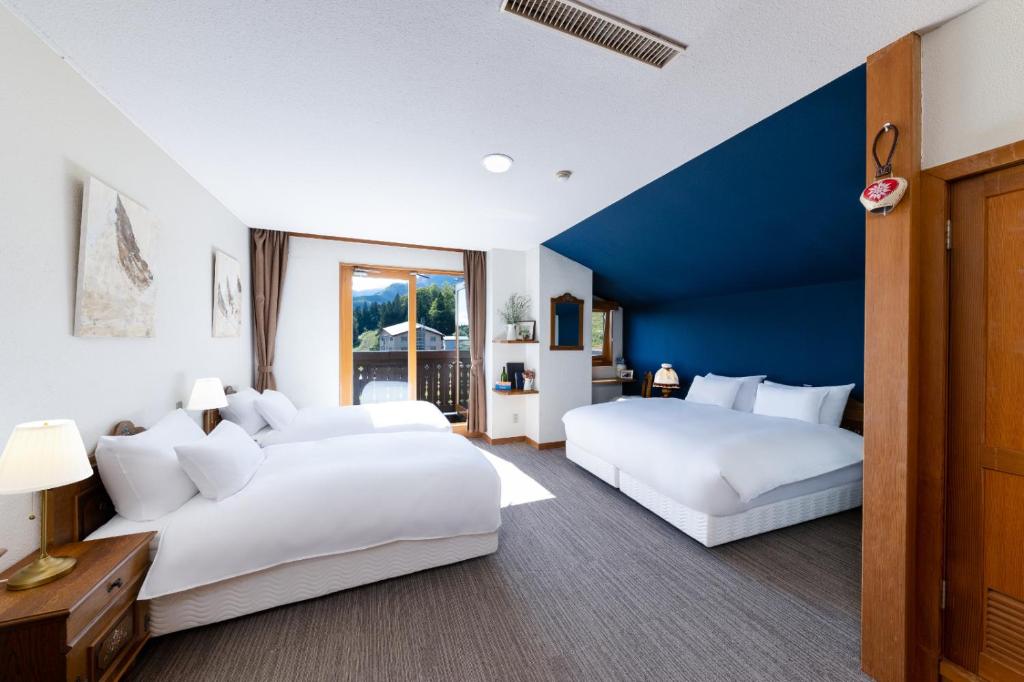
See Hotel Marillen for Yourself
Browse All Photos on Booking.com →
This post contains affiliate links. We may earn a commission at no extra cost to you.
Frequently Asked Questions
See Hotel Marillen for Yourself

Browse All Photos on Booking.com →
This post contains affiliate links. We may earn a commission at no extra cost to you.
Is Hakuba safe for tourists?
Yes, Hakuba is one of the safest destinations anywhere. Japan has very low violent crime and Hakuba sits well below the Japanese national average even by Japanese standards. Cold and off-piste skiing are the practical concerns.
Are there bears in Hakuba?
Yes, Japanese black bears live in the Nagano mountains. Encounters on established trails are rare. Every local hiker carries a bear bell, which are sold at Ace Hardware or free to borrow from Hotel Marillen. Make noise on wooded sections, especially at dawn and dusk.
Is backcountry skiing safe in Hakuba?
On-piste is well managed with professional ski patrol. Off-piste in the Hakuba basin is serious avalanche terrain and several fatalities occur each winter in the backcountry. Go only with a certified guide and proper safety gear.
How cold does Hakuba get in winter?
Top of Happo-One in January and February runs daytime temperatures of minus 10 to minus 15 Celsius, with wind chill dropping to minus 20 or colder. Valley temperatures are milder at minus 2 to plus 2 daytime. Dress for the upper mountain conditions.
Do I need travel insurance for Hakuba?
Yes, strongly recommended. Minor ski injuries treated in Japan can generate 200,000 to 500,000 yen bills. World Nomads, True Traveller and Allianz offer skiing-specific policies. Check off-piste exclusions carefully.
What are the emergency numbers in Japan?
110 for police, 119 for ambulance and fire. Both work on foreign mobile phones. The main hospital for Hakuba is Omachi General Hospital, 30 minutes south. Hotel Marillen front desk can call in Japanese.
Is altitude sickness a concern in Hakuba?
Unusual. Top of Happo-One at 1,831 metres is well below altitude sickness threshold. Even alpine hiking to Karamatsu-dake at 2,696 metres is usually fine for healthy adults. Pregnancy, heart conditions and respiratory issues are the exceptions.
Is it safe to walk at night in Hakuba?
Yes, completely. Hakuba is a small rural ski town with essentially no street crime. Kids play unsupervised at lift bases. Walking back from Echoland to Happo at midnight is normal and safe in any season.