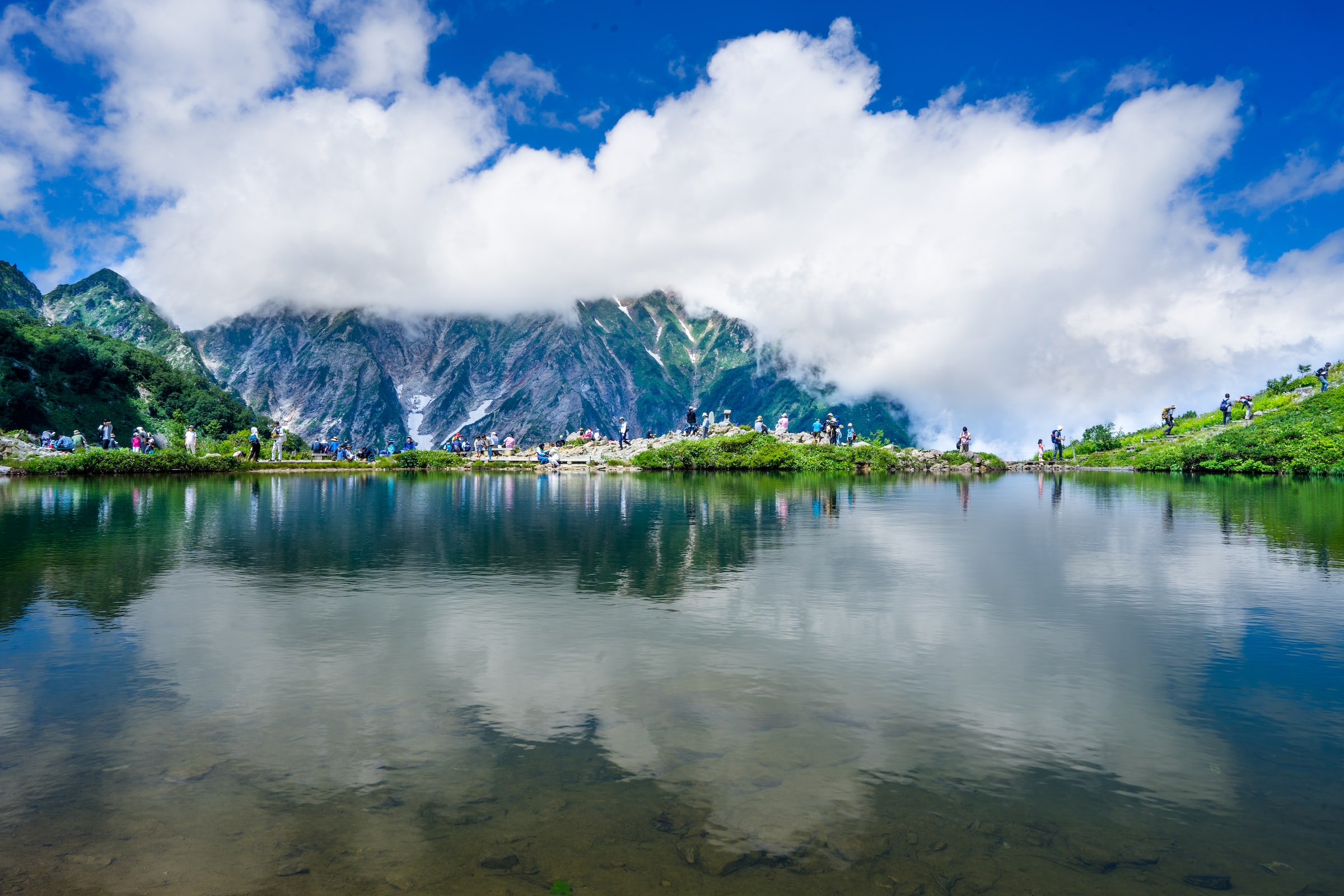

TLDR
Hakuba sits in the northern Japanese Alps in Nagano Prefecture and makes a strong base for day trips in every direction. Matsumoto and its black castle are 75 minutes south by train. Nagano City with Zenkoji temple is an hour east. Togakushi Shrine, Kamikochi in summer, and the snow monkeys at Jigokudani all fit in a single day if you start early. This guide covers the best day trips from Hakuba with real travel times, JR fares, and practical timing notes.
Insider Tip
Buy a JR East Nagano Niigata pass if you plan two or more day trips. It covers the Oito line to Matsumoto, the Shinano limited express, and the Hokuriku Shinkansen stretch to Nagano City. A 5 day pass is 27,000 yen and usually pays for itself on the second day out.
Planning your stay? Check current rates at Hotel Marillen. A short walk from Happo bus terminal and a practical base for rail day trips out of Hakuba.
Matsumoto Castle: The Classic Hakuba Day Trip

Matsumoto is the default first day trip and with good reason. The castle is one of only five original keeps in Japan with National Treasure status, and its black wooden exterior against the Alps in the background is the image most people have of a samurai era fortress. Admission is 700 yen for the castle and municipal museum combined, and you should allow 90 minutes inside. The interior staircases are steep and narrow, so socks with grip help more than loose trainers. The castle is open from 8:30am to 5pm with last entry at 4:30pm.
The trip from Hakuba Station takes 90 to 110 minutes with one change. Local Oito line trains run to Shinano-Omachi, where you change for the Shinano limited express or another Oito local down to Matsumoto. Fares are 1,340 yen each way on local trains, or around 3,000 yen with the limited express. The first useful departure leaves Hakuba around 7:30am and reaches Matsumoto by 9:00. Plan your return for the 4:00pm or 5:00pm train so you are back in Hakuba for dinner. For current timetables the JR East English timetable is more reliable than Google on rural routes.
Matsumoto also has Nakamachi, a preserved merchant street with sake breweries and craft shops, and a 10 minute walk from the castle. Grab lunch at Kura restaurant for soba at around 1,200 yen, or try a local craft sake tasting at Zenchibi. The Japan Ukiyo-e Museum on the edge of town has one of the largest woodblock print collections in the country, but requires a taxi to reach. For more context on the broader region, see the things to do in Hakuba guide.
Jigokudani Snow Monkeys and Nagano City
The Jigokudani Monkey Park at Yudanaka is the winter bucket list trip from Hakuba. Japanese macaques bathing in a steaming open-air onsen surrounded by snow is one of the most photographed scenes in Japan, and it is a real working wildlife habitat rather than a staged tourist attraction. Entry to the park is 800 yen and the monkeys are present year round, though the snow bathing photos only work from December to March. Morning is the best time to visit because the park gets busy with tour buses from 11am.
Getting there from Hakuba takes about three hours each way on public transport, which makes it a long but manageable day. Take the Alpico bus from Hakuba to Nagano Station (75 minutes, 2,600 yen), then the Nagano Dentetsu limited express to Yudanaka (45 minutes, 1,290 yen), then a local bus or taxi to the park entrance (15 minutes). The walk from the park gate to the hot spring pool is 30 to 40 minutes on a packed snow trail, so waterproof boots are not optional in winter. Many visitors hire a private driver for around 25,000 yen round trip, which cuts the day to about five hours total and is worth considering for small groups.
On the way back stop in Nagano City to see Zenkoji, a 7th century temple that is one of the most important Buddhist sites in Japan. The main hall is free to enter, and the underground passage beneath the altar (500 yen) is genuinely eerie in a good way, pitch black with a brass key to find by touch. Nagano Station itself has a good soba restaurant called Nagano Hotel in the underground concourse for an easy dinner before the bus back to Hakuba.
Togakushi Shrine and the Kogen Plateau


Togakushi is the quieter option and the local favourite. It is a mountain shrine complex on the Togakushi plateau west of Nagano City, approached through a 400 metre avenue of cedars planted in the 17th century. The Oku-sha (upper shrine) requires a 40 minute uphill walk from the main car park and is one of the most atmospheric forest walks anywhere in Nagano. The middle and lower shrines are a shorter hike and can all be combined into a three hour loop. The area is closed by snow from late November to early May, so this is a spring through autumn day trip.
From Hakuba, take the Alpico bus to Nagano (75 minutes) and then the Alpico Togakushi bus from stop number 7 at Nagano Station (60 minutes, 1,450 yen). That puts you on the plateau by 11am if you leave Hakuba at 8:30. The plateau also has a small ninja museum (Ninpo Museum) that is better than it sounds, with genuine artefacts rather than a theme park recreation. For a proper lunch, Togakushi soba is locally famous. Uzuraya next to the middle shrine serves bowls at 1,400 yen with buckwheat grown on the plateau itself.
Ask at Hotel Marillen about current bus schedules before you leave. The Togakushi route has seasonal changes and the last return to Nagano usually leaves around 4:30pm, which is tight if you also want to visit Zenkoji on the way back. A taxi from Togakushi to Nagano Station is roughly 6,500 yen if you miss the bus, which happens more often than you might expect.
Kamikochi in Summer and Autumn
Kamikochi is the alpine valley that every Japanese hiker knows by name, sitting at 1,500 metres in the Chubu Sangaku National Park. Private cars are banned from mid-April to mid-November, so you reach it by bus, which keeps the valley quiet and the air clean. The classic walk from Taisho Pond to Myojin Pond along the Azusa River is a 6 kilometre flat trail with the Hotaka Range filling the horizon. Allow 3 to 4 hours for the round walk. The valley is closed entirely from mid-November to mid-April.
From Hakuba, take the Alpico bus to Shinshimashima (2 hours, 2,800 yen) or drive to Sawando and pick up the shuttle bus to Kamikochi (30 minutes, 1,300 yen round trip). An easier option in summer is the Alpico direct Hakuba to Kamikochi bus that runs July and August only, one departure a day at 8:00am, 3 hours each way, 5,000 yen round trip. Book through the Alpico website the day before because it often sells out. The last bus back from Kamikochi leaves at 5:30pm and you do not want to miss it. The walk options are covered in detail on the Kamikochi official tourism site.
Shorter Trips: Omachi, Nakatsuna and Aoki Lakes
If you want a half day rather than a full one, stay closer to Hakuba. The three lakes of Aoki-ko, Nakatsuna-ko and Kizaki-ko sit just south of Hakuba along the Oito line and are beautiful in any season. Aoki-ko is the largest and has the best swimming and paddle boarding from July through September. Local boat rentals run 1,500 yen an hour. The lake loop road makes a 13 kilometre bike ride that takes about 90 minutes on an e-bike rented from Hakuba Cycle Station in front of Hakuba Station for 3,500 yen a day.
Omachi town is a short hop further south and hosts the start of the Tateyama Kurobe Alpine Route, one of the most dramatic mountain crossings in Japan. The full route across to Toyama takes a full day and is not cheap at 10,790 yen for the one way ticket. A shorter option is just to reach Kurobe Dam by bus and trolley-bus for 3,200 yen round trip and see the water release in summer and early autumn, which is genuinely impressive. The Omachi Onsen Kyo hot spring village also has several day use baths at 700 yen if you want an onsen soak without an overnight.
You might also find these useful: Best Restaurants in Hakuba: Where to Eat, Best Time to Visit Hakuba: Month by Month Guide, Getting to Hakuba: Airport and Transport Guide.
“Took the train to Matsumoto in the morning, had soba for lunch, did the castle interior and was back in Hakuba by 6pm. The Alps view from the train window alone was worth the fare.”
“Comfortable rooms, helpful reception and easy access to the Hakuba Valley ski lifts. Staff helped us book restaurants in Echoland and Wadano each evening.”
Check current prices at Hotel Marillen
Hotel Marillen in Hakuba, a practical base for rail and bus day trips across the northern Alps.
Check Available RoomsWe may earn a small commission if you book through this link. It does not cost you anything extra.
See Hotel Marillen for Yourself
Browse All Photos on Booking.com →
This post contains affiliate links. We may earn a commission at no extra cost to you.
Frequently Asked Questions
See Hotel Marillen for Yourself
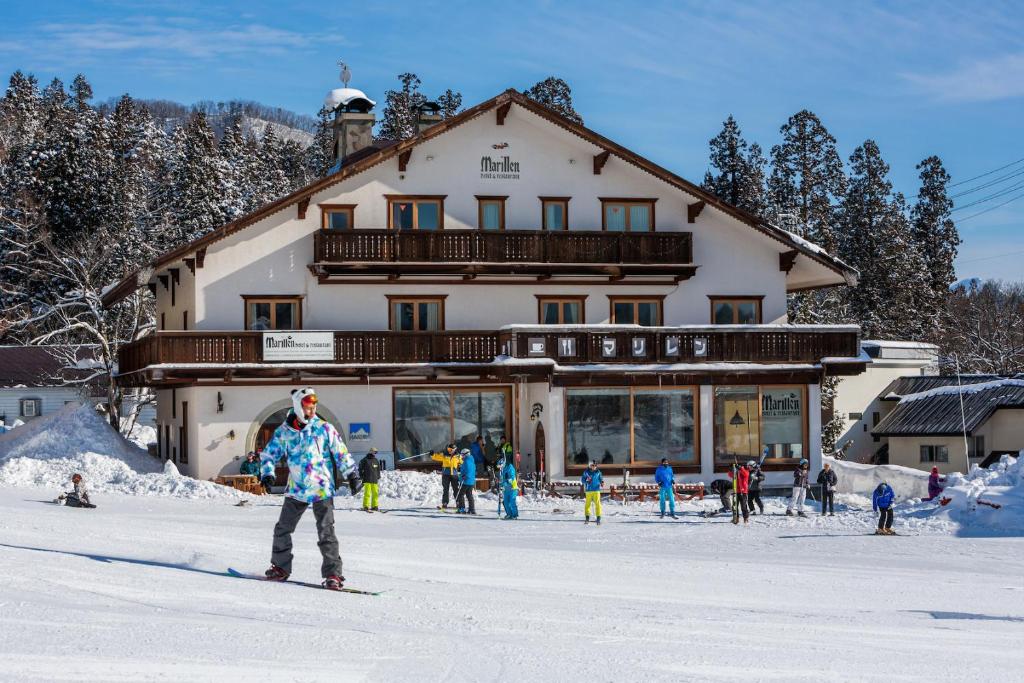
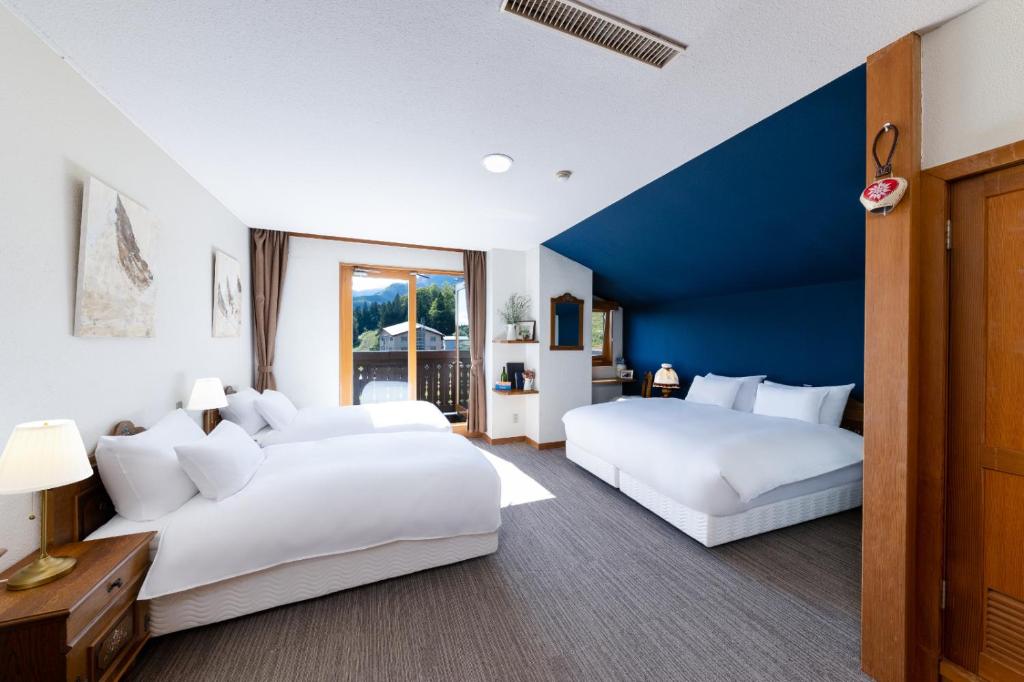

Browse All Photos on Booking.com →
This post contains affiliate links. We may earn a commission at no extra cost to you.
What is the best day trip from Hakuba?
Matsumoto Castle is the default first choice and reaches 90 minutes each way on the Oito line. The snow monkeys at Jigokudani are the strongest winter day trip. Togakushi Shrine is the locals favourite from May through October.
How far is Matsumoto from Hakuba?
Matsumoto is 90 to 110 minutes by train from Hakuba Station with one change at Shinano-Omachi. Fares are 1,340 yen each way on local trains, or around 3,000 yen using the Shinano limited express on the Matsumoto leg.
Can I visit the snow monkeys as a day trip from Hakuba?
Yes, but it is a long day. Bus to Nagano (75 minutes), train to Yudanaka (45 minutes), local bus to the park entrance (15 minutes), then a 30 to 40 minute walk. Private driver hire at around 25,000 yen round trip cuts the day significantly.
Is Kamikochi accessible from Hakuba?
Yes, from July through August there is a direct Alpico bus Hakuba to Kamikochi, one departure a day at 8:00am, 3 hours each way, 5,000 yen round trip. Outside summer you need to travel via Shinshimashima or Sawando.
How do I get to Togakushi Shrine?
Take the Alpico bus from Hakuba to Nagano Station (75 minutes), then the Alpico Togakushi bus from stop 7 at Nagano (60 minutes, 1,450 yen). The shrine area is closed by snow November to early May.
Is the JR Pass worth it for day trips from Hakuba?
The national JR Pass is overkill for Hakuba-based day trips. The JR East Nagano Niigata regional pass at 27,000 yen for 5 days is better value, covering the Shinkansen to Nagano plus the Oito line and Shinano limited express.
How long does the Kurobe Dam trip take?
A half day from Hakuba. Take the train to Omachi (30 minutes), bus to the Ogizawa station (45 minutes), electric trolley bus to Kurobe Dam (16 minutes). Round trip bus and trolley cost 3,200 yen plus train fares.
Can I combine day trips in one day?
Togakushi plus Zenkoji is the one classic combination, both off the Nagano bus route. Matsumoto plus the snow monkeys is too far apart. Kamikochi is a full day. Most visitors do one major destination per day trip.