TLDR
Hakuba is a real four season destination. Late January and February deliver the best snow (average snowpack 3 metres at the top of Happo-One). June and early July are the wettest. Late September to mid November is the autumn colour window. May to October is hiking and mountain biking season. The shoulder weeks of early December and late March are the best ski value. Expect ski season rates to triple between mid-December and early March.
Insider Tip
The best skiing-to-price ratio is the last week of January and the first week of February. Snowpack peaks, Chinese new year crowds have not yet arrived, and lift pass prices are still the standard 6,500 yen day rate. Book your stay by mid-November for this window.
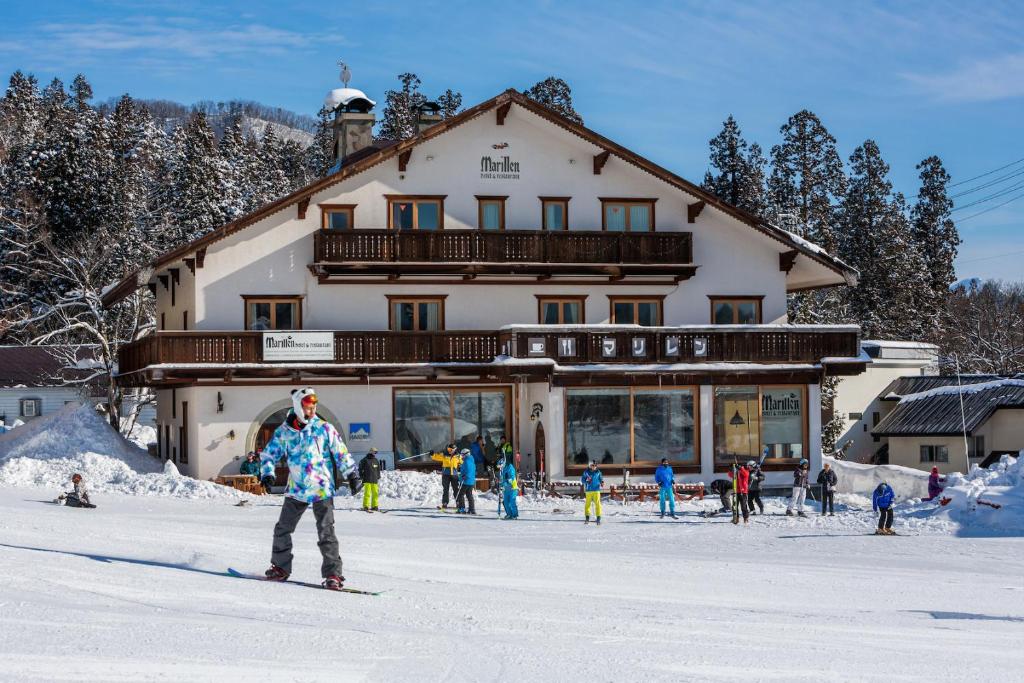
Planning your stay? Check current rates at Hotel Marillen. Book 2 to 3 months ahead for the peak ski weeks.
December to February: The Ski Season

Hakuba opens most of its 10 ski resorts in mid-December, with Happo-One, Goryu and 47 running lifts by around December 10. Early season snow is variable and you should expect a mix of natural and machine-made cover in the first two weeks. Christmas and New Year are high season with rates 2 to 3 times off-peak and almost every bed in the valley booked. The first week of January quiets down briefly before Chinese New Year in late January sends prices and crowds back up.
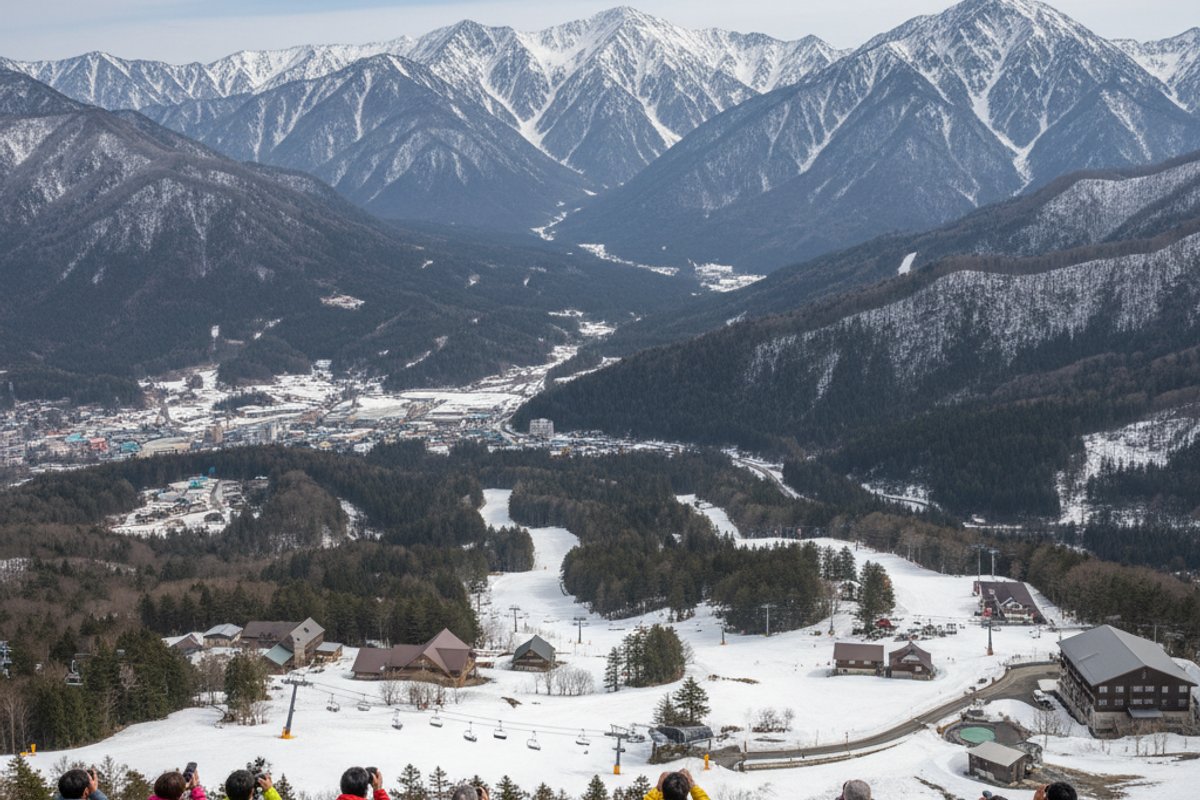
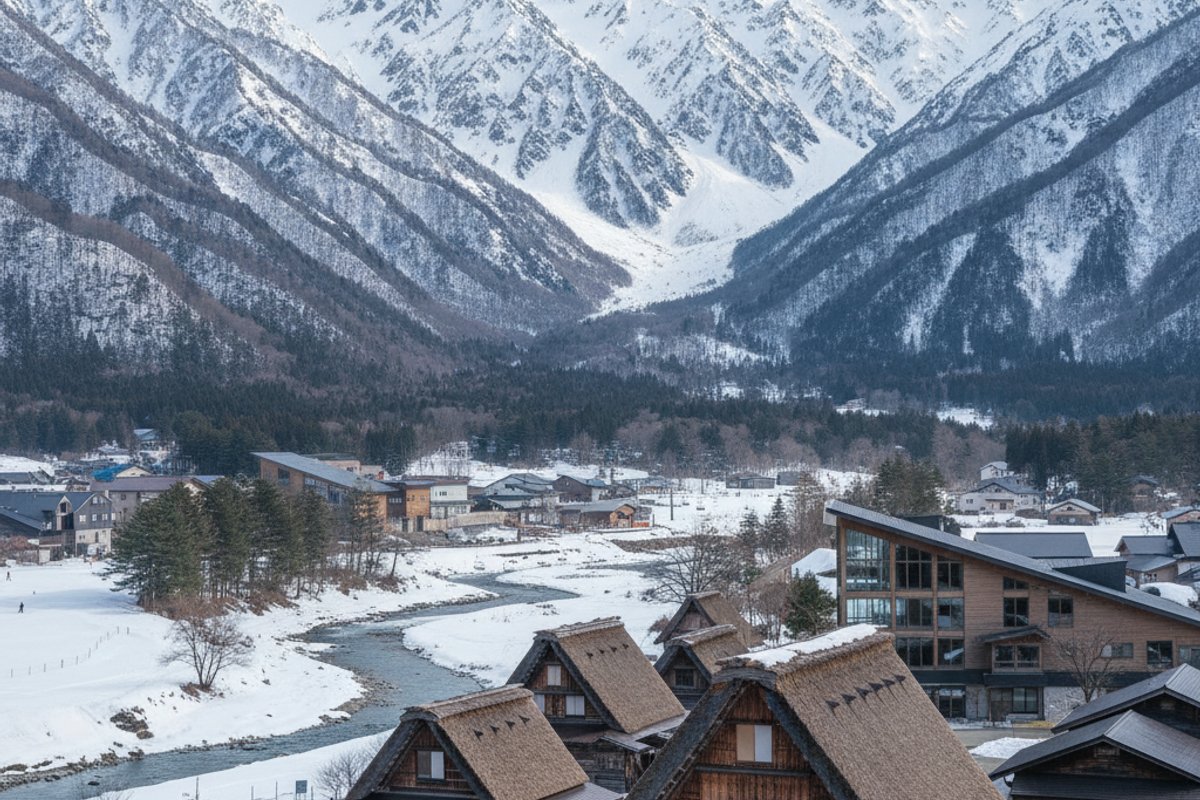
February is the peak month for both snow quality and crowds. Average daily snowfall is 5 to 8 centimetres and the 30 day running snowfall often tops 3 metres. Daytime highs on the mountain sit at minus 4 to minus 8 Celsius, with overnight lows dropping to minus 12 at the top of Happo-One. Valley temperatures are milder at minus 2 to plus 2 daytime, which means the drive from Hakuba Station to the ski base is usually clear. Dress for the upper mountain temperatures and shed layers at the base. For up to date snowfall numbers check Snow Forecast rather than the resort websites.
Late December through mid-March is the window when Hotel Marillen and the other Happo side hotels sell out by late November. If you have not booked by early November for the peak weeks, expect to pay 50 to 80 percent premiums on whatever is left or to stay in Omachi and commute. The where to stay in Hakuba guide covers the trade-offs by area.
March and April: Spring Skiing and Shoulder Season
March is spring skiing and one of the best-value windows in Hakuba. Snowpack is still deep at the top of Happo-One (often 2 to 3 metres), daytime temperatures climb to plus 5 to plus 10 in the valley, and lift pass discounts start appearing in the second week. Crowds thin significantly after Tokyo schools go back in early March. The trade-off is that snow quality on south-facing slopes gets soft by midday, so the morning session 8am to noon is the serious ski period and the afternoon is slushy if pleasant.
Most Hakuba resorts close between the last weekend of March and the first weekend of May, with Happo-One typically running until early May thanks to higher elevation and the annual Happo-One snow park events. From mid-April onwards the mountain is quiet and the valley starts to green up. Late April sees cherry blossoms in Hakuba village around 10 days later than Tokyo, usually the third week of April. This is a lovely quiet time that most international visitors miss. Accommodation drops to 40 to 60 percent of peak season rates.
May to July: Hiking and Greenery
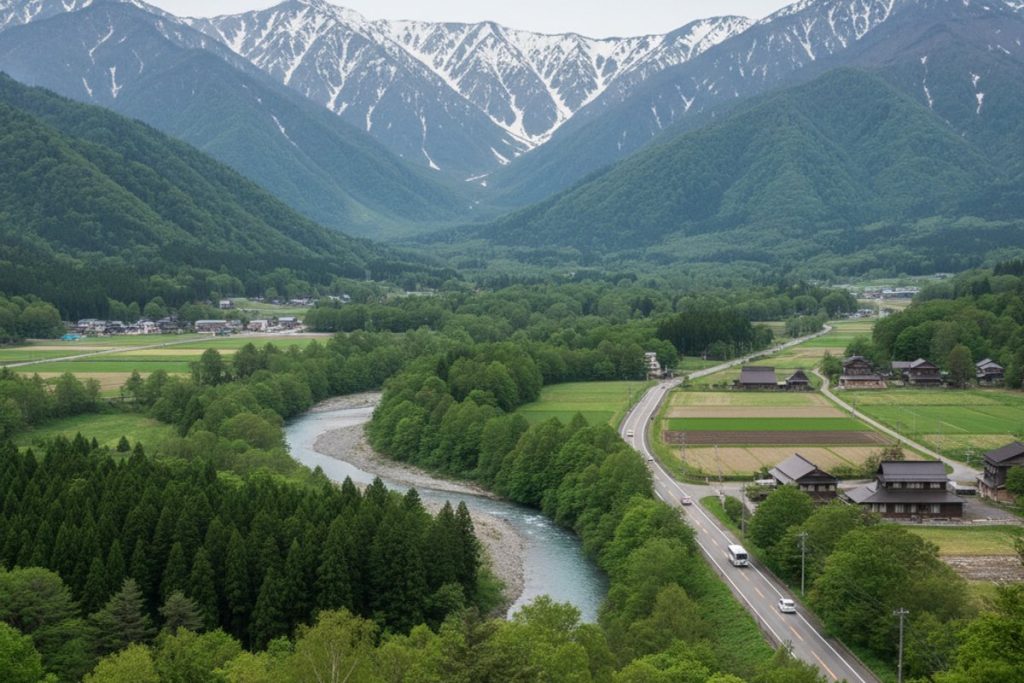
May is the shoulder between winter and summer and one of the quietest months in the valley. Valley daytime temperatures climb from plus 15 to plus 22 through the month, nights are cool at plus 5 to plus 10, and the first flowers appear at Happo-One and Tsugaike. The Tsugaike Nature Park opens in mid-May and is one of the best early season hikes. Mountain biking trails open progressively from mid-May through June as the snow clears from higher elevations.
June is the start of Japan rainy season (tsuyu), which runs until mid-July. Expect rain on roughly two days out of three, often in short intense bursts rather than all day. Temperatures are a pleasant 18 to 25 in the valley. The upside is that the mountains are genuinely green and the waterfalls at Aoki-ko and the streams on the Happo Pond Trail are at peak flow. The downside is muddy trails and the need for proper waterproofs. Pack a light rain shell and accept that it is worth it for the quiet.
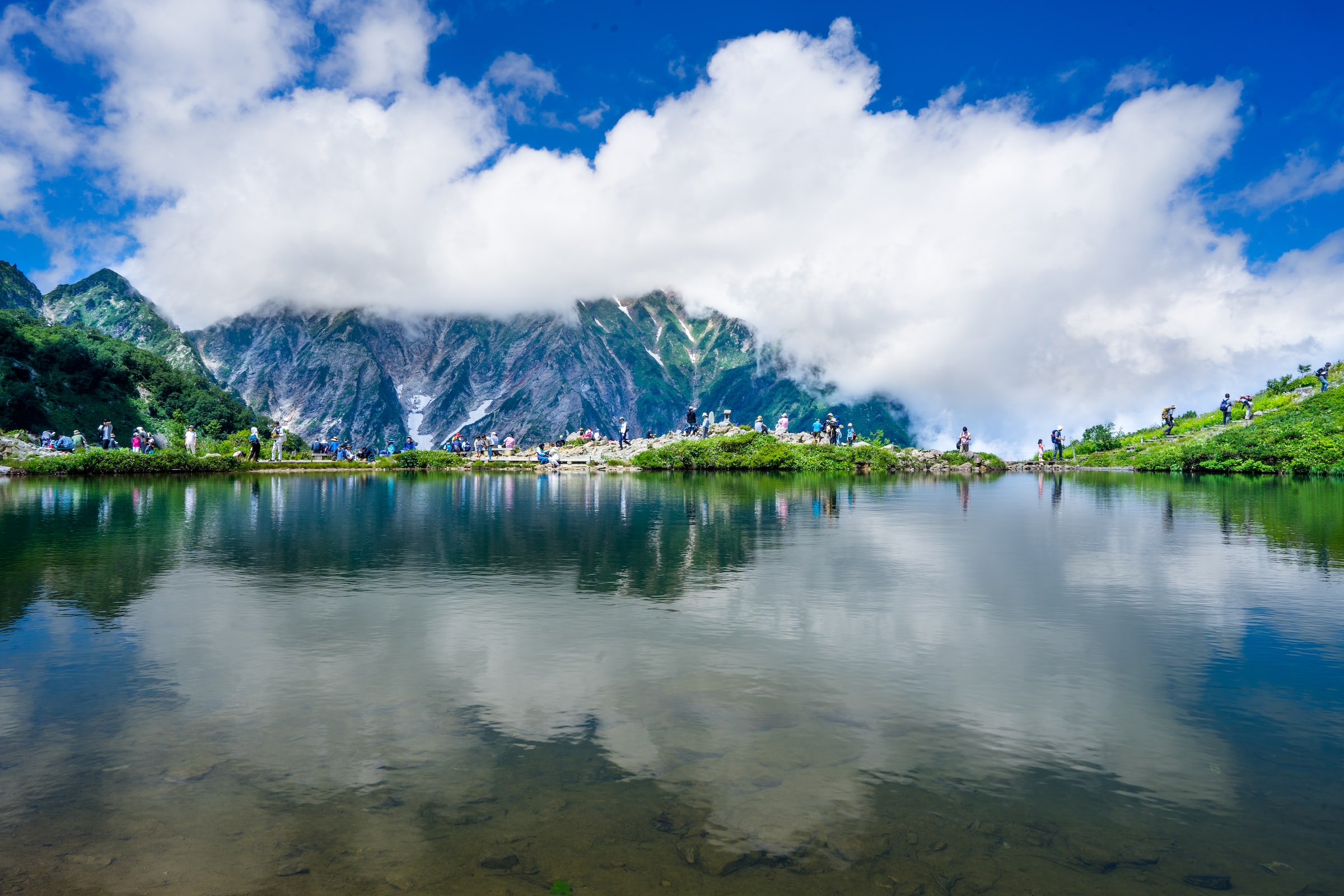
July to early August is when the valley properly wakes up for summer. Tsugaike is the most popular target with the Happo Pond Trail coming a close second, a 2 hour round hike with a genuine alpine lake at the end. The Hakuba Mountain Harbor gondola on Iwatake opens for sightseeing at 11am with a cafe and viewing deck at 1,289 metres, and sunset runs until 8:30pm in July. Adventure Sports add paragliding and zip-lining in summer with packages from 9,500 yen.
August to November: Summer, Autumn and the Transition
August is peak summer with daytime highs in the valley at 28 to 32 Celsius, dropping to 18 at night. The Japanese domestic holiday week around Obon in mid-August fills the valley with Japanese family tourism, and rates climb 30 to 50 percent for that single week. The upside is festivals, flower fields and mostly clear weather. September is a transition month, still warm in the valley (22 to 27 daytime) but the first autumn colour appears at the higher elevations from mid-September, and the valley turns by mid-October. Weekday nights from the third week of September are an excellent value window.
October is the strongest autumn colour month in the Japanese Alps. The upper Tsugaike and Goryu slopes hit peak red-gold in the second and third weeks of October, with the valley following a week or two later. Temperatures drop noticeably, 12 to 20 daytime and 3 to 8 at night, and the first snow on the highest Alps peaks usually appears in the third week of October. This is probably the most underrated month to visit Hakuba if you are not a skier. Accommodation is 30 to 50 percent of ski season rates, trails are clear, and the landscape is spectacular.
November is the quietest month. Most summer activities close by early November, most ski resorts open in mid to late November for pre-season training runs, and the valley has a genuine in-between feel with limited restaurant openings. Valley daytimes drop to 4 to 10 Celsius and nights dip below freezing. If you want peace, good autumn light for photography, and the lowest rates of the year, this is the month, but check individual restaurant openings before you book.
You might also find these useful: Best Day Trips from Hakuba, Best Restaurants in Hakuba, Hakuba on a Budget.
“Stayed first week of February and had the classic Hakuba pow experience. Daily snowfall, visibility mostly good by 10am, and no real queues on the Happo gondola before 9:30. Dressed for minus 12 at the top of Happo and was fine.”
“Solid choice for Hakuba. Walking distance to restaurants, short shuttle to the lifts, and the team arranged an airport transfer back to Tokyo at the end of the week.”
Check current prices at Hotel Marillen
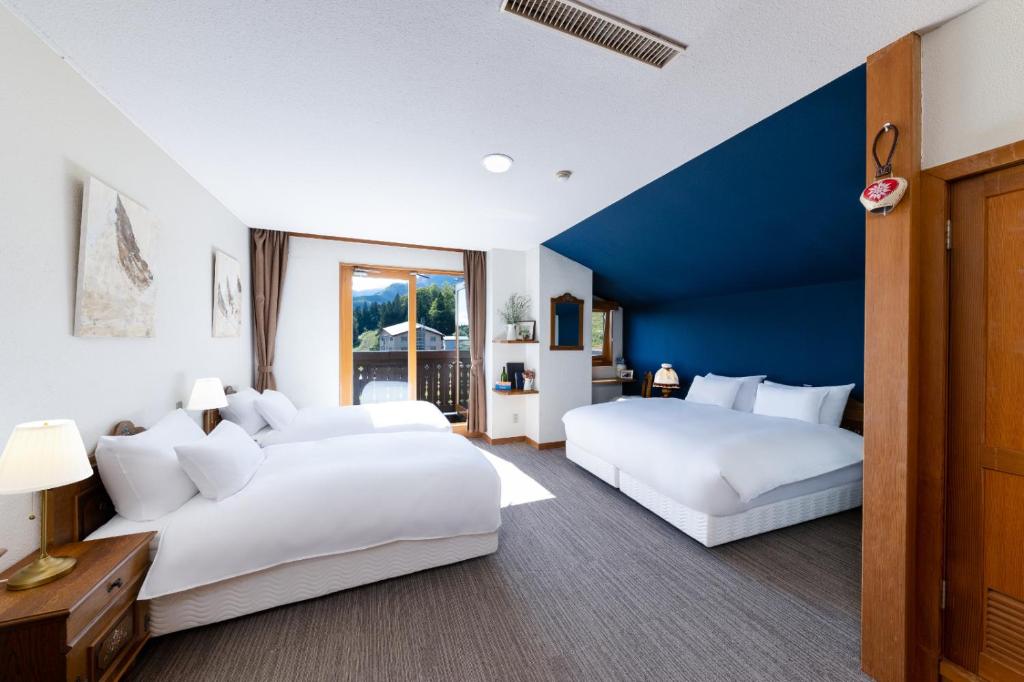
Hotel Marillen in Hakuba, a practical base in any season. Book early for the peak ski weeks.
Check Available RoomsWe may earn a small commission if you book through this link. It does not cost you anything extra.
See Hotel Marillen for Yourself
Browse All Photos on Booking.com →
This post contains affiliate links. We may earn a commission at no extra cost to you.
Frequently Asked Questions
See Hotel Marillen for Yourself

Browse All Photos on Booking.com →
This post contains affiliate links. We may earn a commission at no extra cost to you.
When is the best time to visit Hakuba for skiing?
Late January through the first two weeks of February for the deepest snowpack and best conditions. March offers excellent value as prices drop and snow is still strong on the upper mountain.
When does ski season start in Hakuba?
Most resorts open in mid-December, with Happo-One, Goryu and 47 running lifts from around December 10. Early season snow is variable. Full coverage of the mountain is usually achieved by late December.
When does ski season end in Hakuba?
Most resorts close between the last weekend of March and the first weekend of May. Happo-One typically runs until early May thanks to higher elevation. Cortina is usually the last to close.
Is Hakuba worth visiting in summer?
Yes, for hiking, mountain biking and the alpine scenery. July and August are peak summer with Tsugaike, Happo Pond, Hakuba Mountain Harbor and paragliding all in operation. June is rainy season and usually avoided.
When is autumn colour in Hakuba?
Upper Tsugaike and Goryu peak in the second and third weeks of October. The valley follows one to two weeks later, usually the last week of October. October is the most underrated month in Hakuba.
Is Hakuba busy at Christmas and New Year?
Yes, very. Rates are 2 to 3 times off-peak and almost every bed in the valley is booked. Chinese New Year in late January produces another sharp price spike. Book by September for these weeks.
When is rainy season in Hakuba?
Early June to mid-July is tsuyu, the main Japanese rainy season. Expect rain on roughly two of three days, often short heavy bursts. The upside is genuine green and peak waterfall flow. Pack proper waterproofs.
What month has the best Hakuba value?
Early December (pre-December 20) and early to mid-March for ski value. September weekdays for hiking value. November is the absolute cheapest month but has limited restaurant openings.